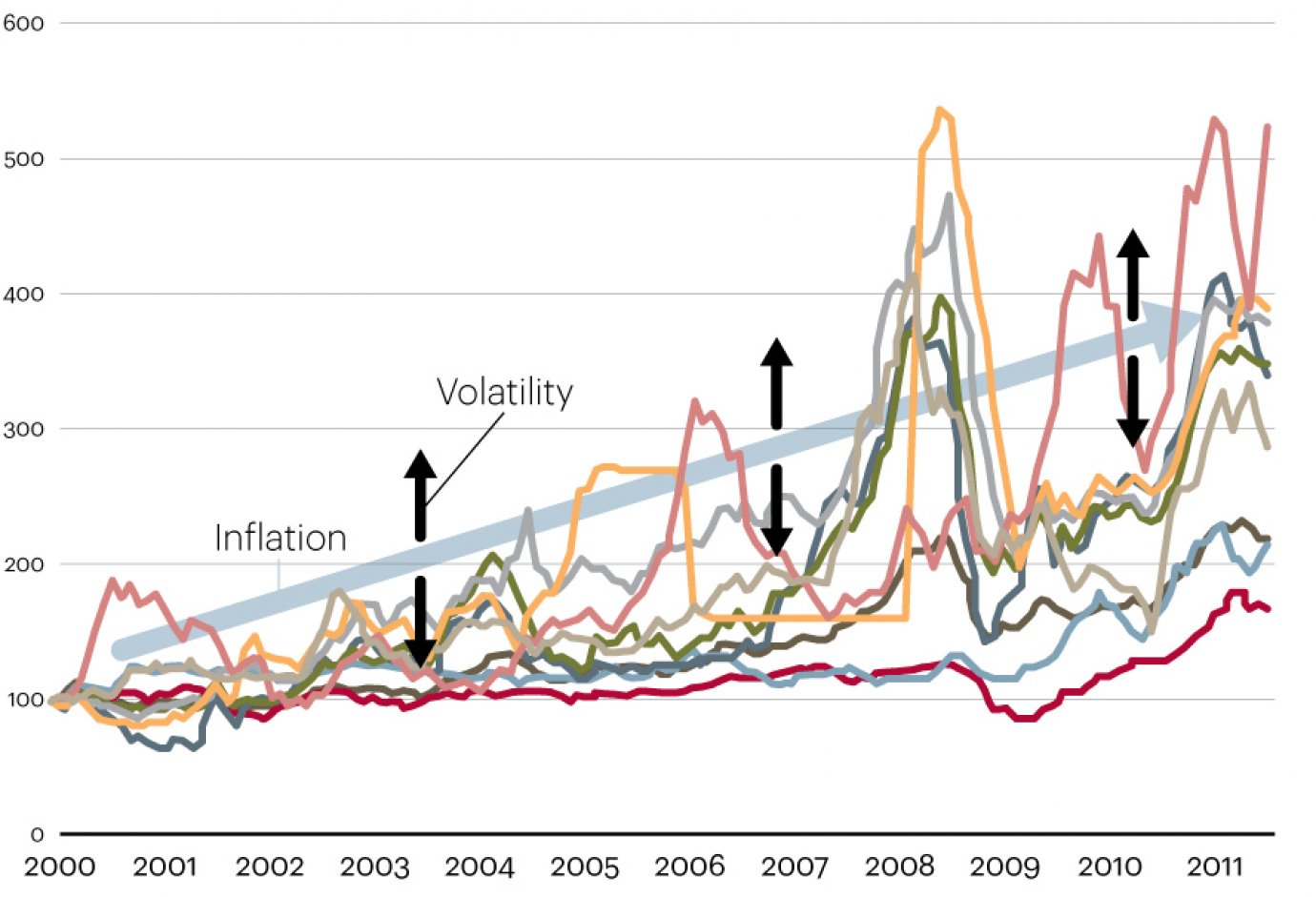
Millers face increasingly volatile and less predictable wheat markets
Increasingly volatile wheat markets
The market price of all grades of wheat, including bread-making wheat, fluctuates based on multiple factors such as quality, supply and demand, stock levels, exchange rates, transport and energy costs, and global developments.
Excessive speculation can also drive sudden and extreme price movements. This occurs when a growing share of market positions is held by investors seeking to profit from future price changes, often with limited regard for the underlying fundamentals of supply and demand.
Climate change intensifies price volatility
Climate change is contributing to more frequent and severe price fluctuations. For example, in summer 2018, Europe experienced extreme weather conditions that significantly affected cereal production. The drought reduced total EU cereal output to an estimated 8% below the previous five-year average. As a result, cereal prices rose sharply in August, with wheat prices increasing by around €50 per tonne compared to the previous year.
Millers hedge against price risks
Commodity derivative markets offer risk management tools, such as futures and options, which allow primary food processors, including millers, to hedge against future price fluctuations. In the context of MiFID II implementation, ESMA rules should build trust and encourage European millers—most of whom are small and medium-sized enterprises—to make greater use of these hedging tools. To support this, ESMA’s regulatory technical standards should enhance transparency, helping to preserve market integrity and ensure orderly pricing.