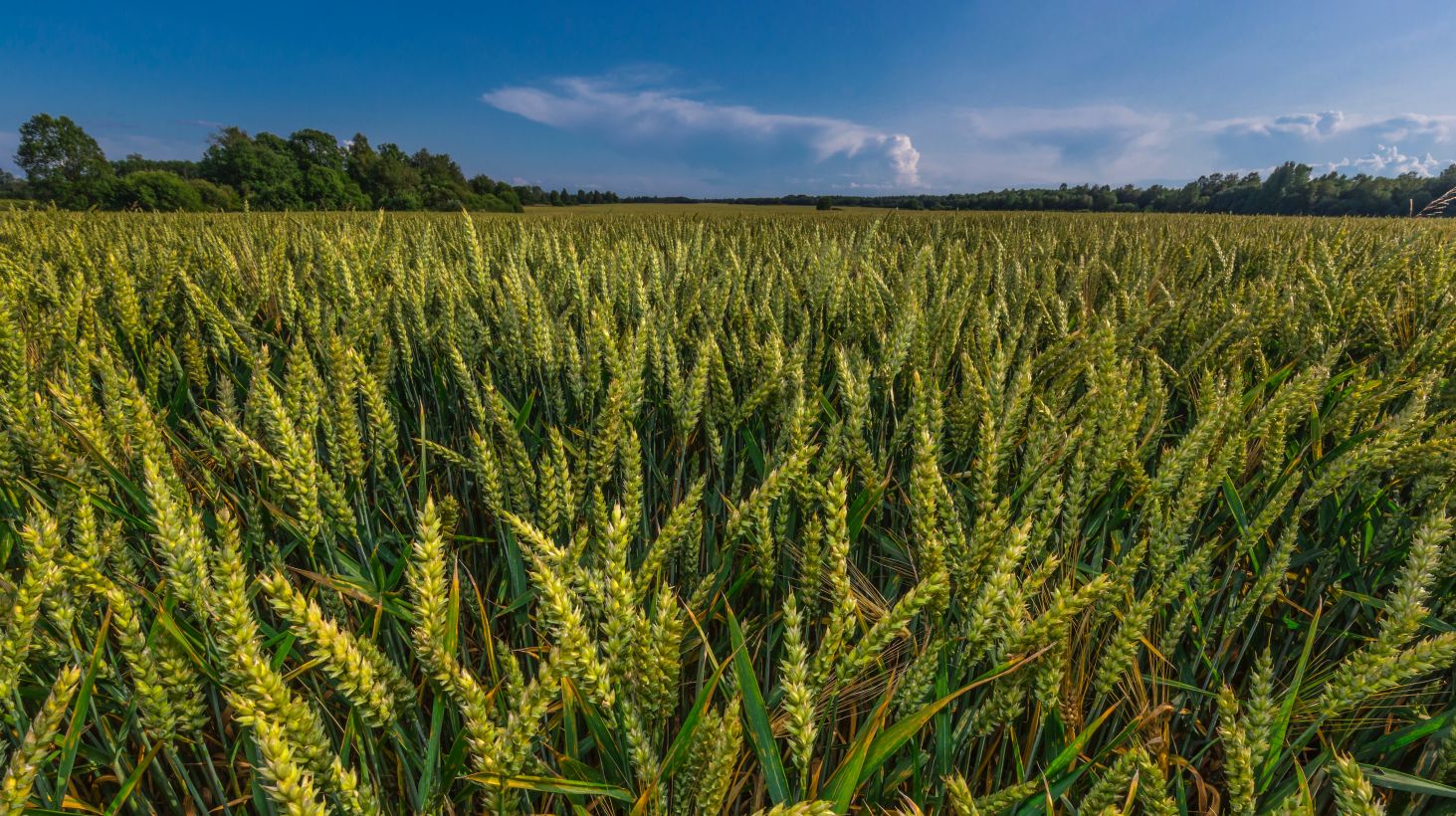
The European flour millers supply flour from conventional wheat
Conventional wheat
The use of biotechnology in crop production has grown around the world since the mid 1990s, with large areas of GM crops being cultivated in North and South America and widespread adoption in India and China. Around the world, more than 100 million hectares are now planted to GM crops. As yet, there has been no commercialisation of GM wheat anywhere in the world, hence all wheat flour (and food made from it) is of conventional origin. The European flour millers have indicated that they will continue to supply flour milled from conventional wheat (i.e. non-GM).
No GM wheat are commercially available
No genetically modified wheat are commercially available in Europe. Current indications are that the first GM varieties may be grown in Canada or the US, to be available only in a minimum of several year's time.
The European flour milling industry has always been sensitive to concerns on this subject and has been actively involved in promoting consumer choice.
New breeding techniques
Millers welcome the adoption of the new regulatory framework for new breeding techniques. This landmark legislation modernises European rules, taking a science-based approach that balances innovation with safety and societal trust.
By shifting from process-based to trait-based regulation, the legislative framework allows the agri-food sector to better address climate and sustainability challenges. This will offer significant potential for European consumers and millers by accelerating the development of crops with:
- Disease and pest resistance, reducing the need for chemical pesticides
- Drought and heat tolerance, adapting grain production to climate change
- Improved nutritional quality, enhancing grain profiles for healthier diets
- Reduced allergenicity, lowering the risk of allergic reactions in food products
Public acceptability and consumer benefits
The European flour milling community will continue to supply flour from conventional wheat. If genetically modified wheats were to become available, millers would have to be convinced of their public acceptability and practical potential for the consumers before using them.